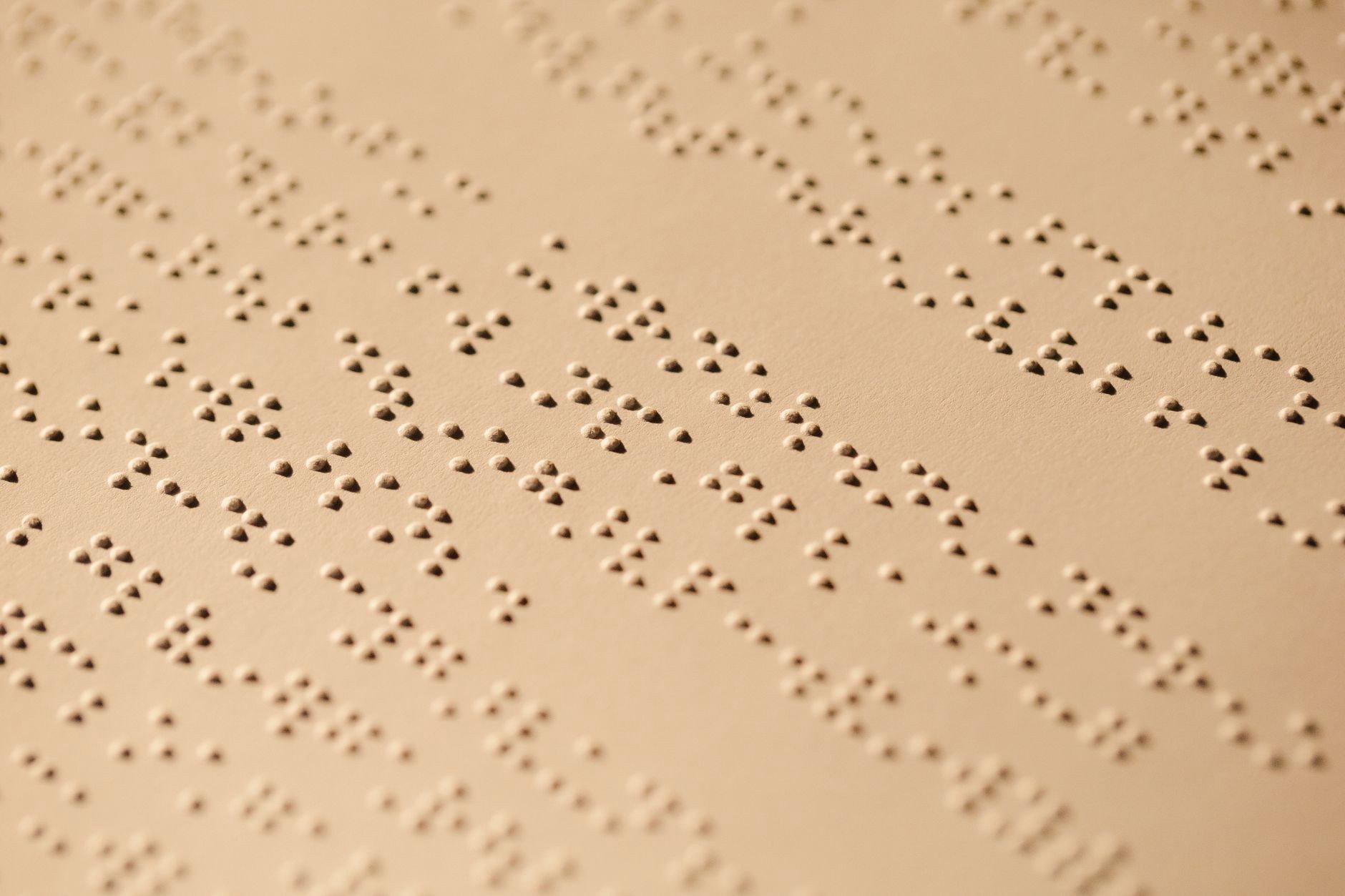
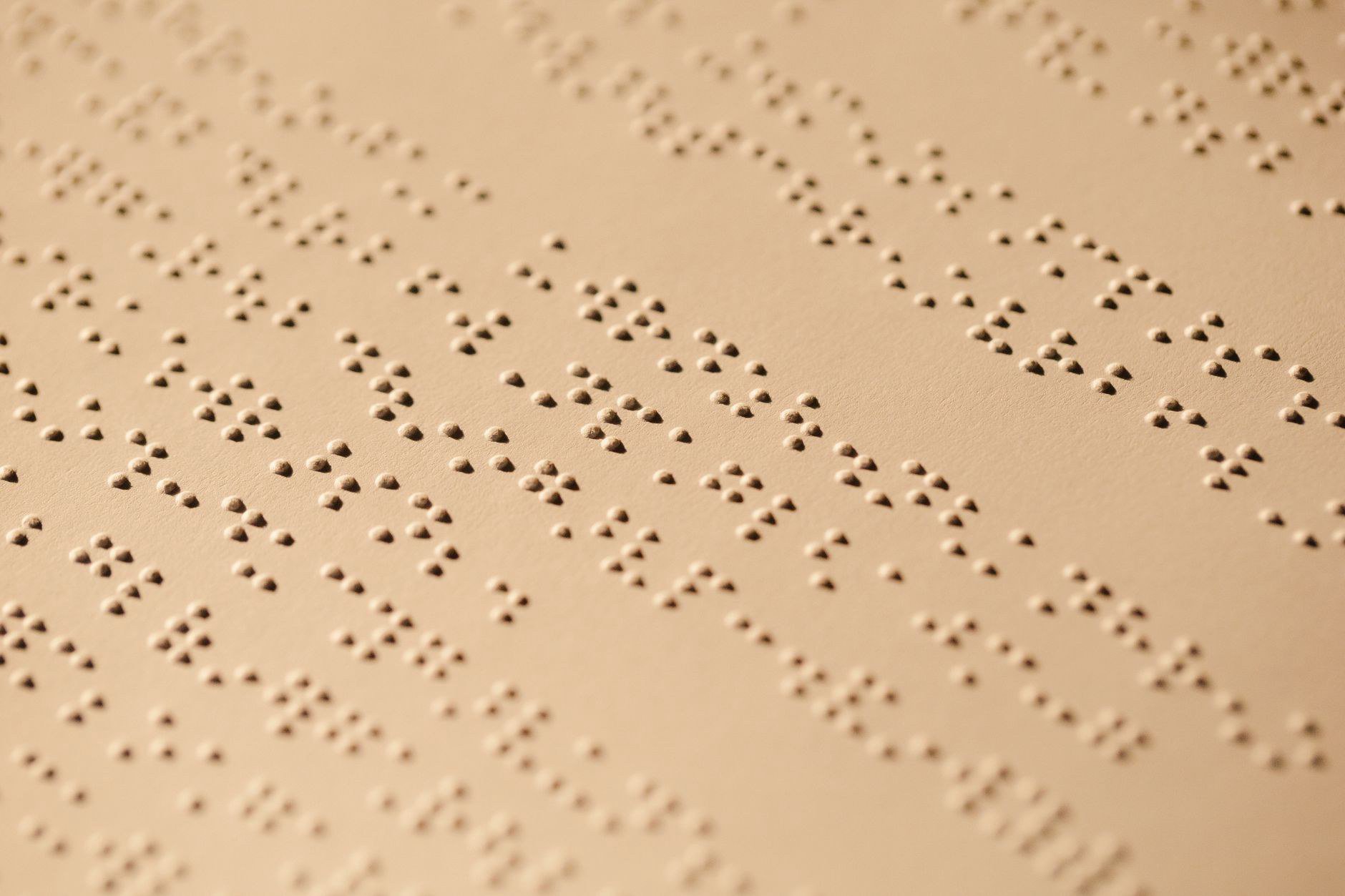
In an increasingly digital design landscape where imagery exists predominantly on backlit glass, the physical dimension of print remains its greatest differentiator. When readers pick up a luxury monograph, exhibition catalog, or boutique brand packaging, tactile perception precedes visual analysis. Applying sophisticated embossing foiling print finishing transforms two-dimensional sheets into multi-sensory physical artifacts, creating subtle plays of light, shadow, and sculptural relief that digital pixels can never replicate.
Executing luxury finishing successfully requires bridging the gap between imaginative graphic concept and physical mechanical engineering. Heat, hydraulic tonnage, paper fiber orientation, and chemical coatings all interact on press. Understanding the technical boundaries of hot-foil stamping and multi-level embossing enables art directors to specify premium finishes with uncompromising confidence.
The Physics of Hot-Foil Stamping: Pressure, Heat, and Dwell Time
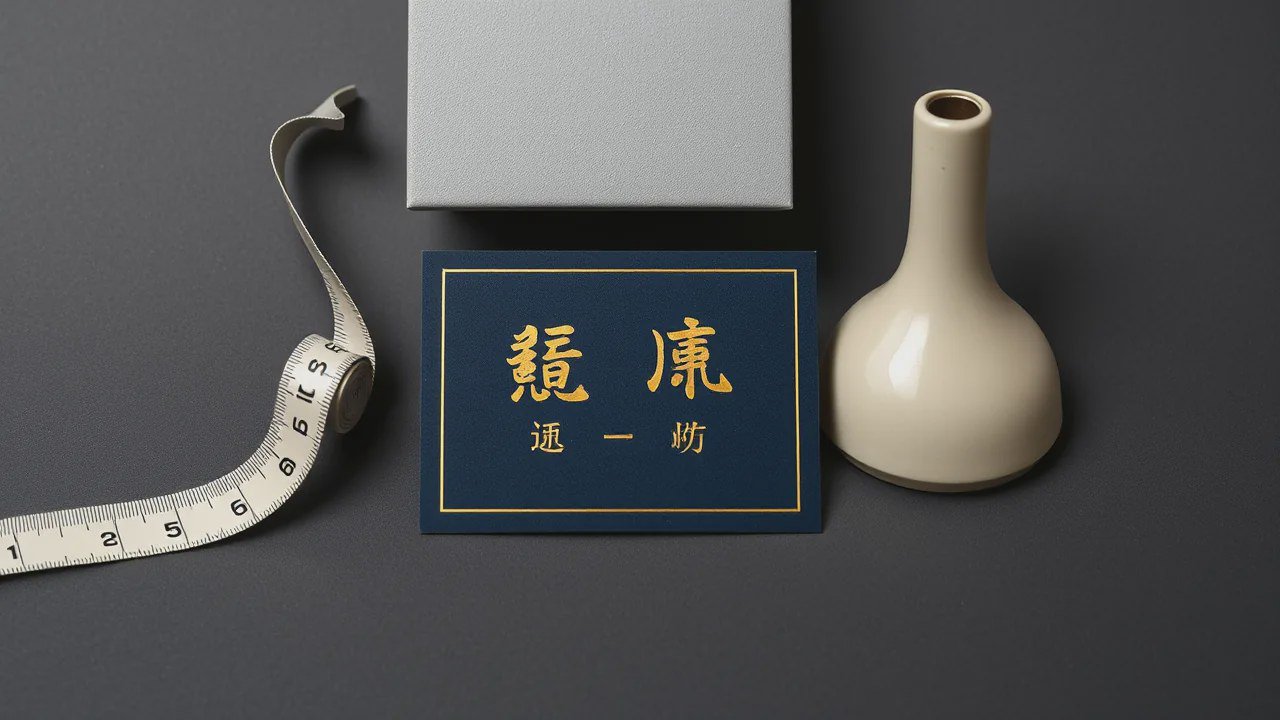
Hot-foil stamping relies on three closely calibrated mechanical variables: die temperature, compressive pressure, and dwell time. During stamping, an engraved metal die heated between 100 and 150 degrees Celsius presses a multi-layered polyester carrier ribbon against paper stock. A thermal release layer melts instantly, transferring vacuum-metallized aluminum pigments permanently into paper valleys.
Foil selections extend far beyond traditional high-gloss yellow gold. Contemporary designers utilize matte satin foils, brushed copper pigments, deep charcoal holographics, and translucent clear gloss foils that yield refined tone-on-tone reflections.
To master the nuanced differences between flat foil stamping and dimensional stamping, explore technical recommendations in our in-depth guide to foil stamping and embossing techniques before selecting finishing dies for your next print production.
Embossing and Debossing: Sculpting Paper with Metal Dies
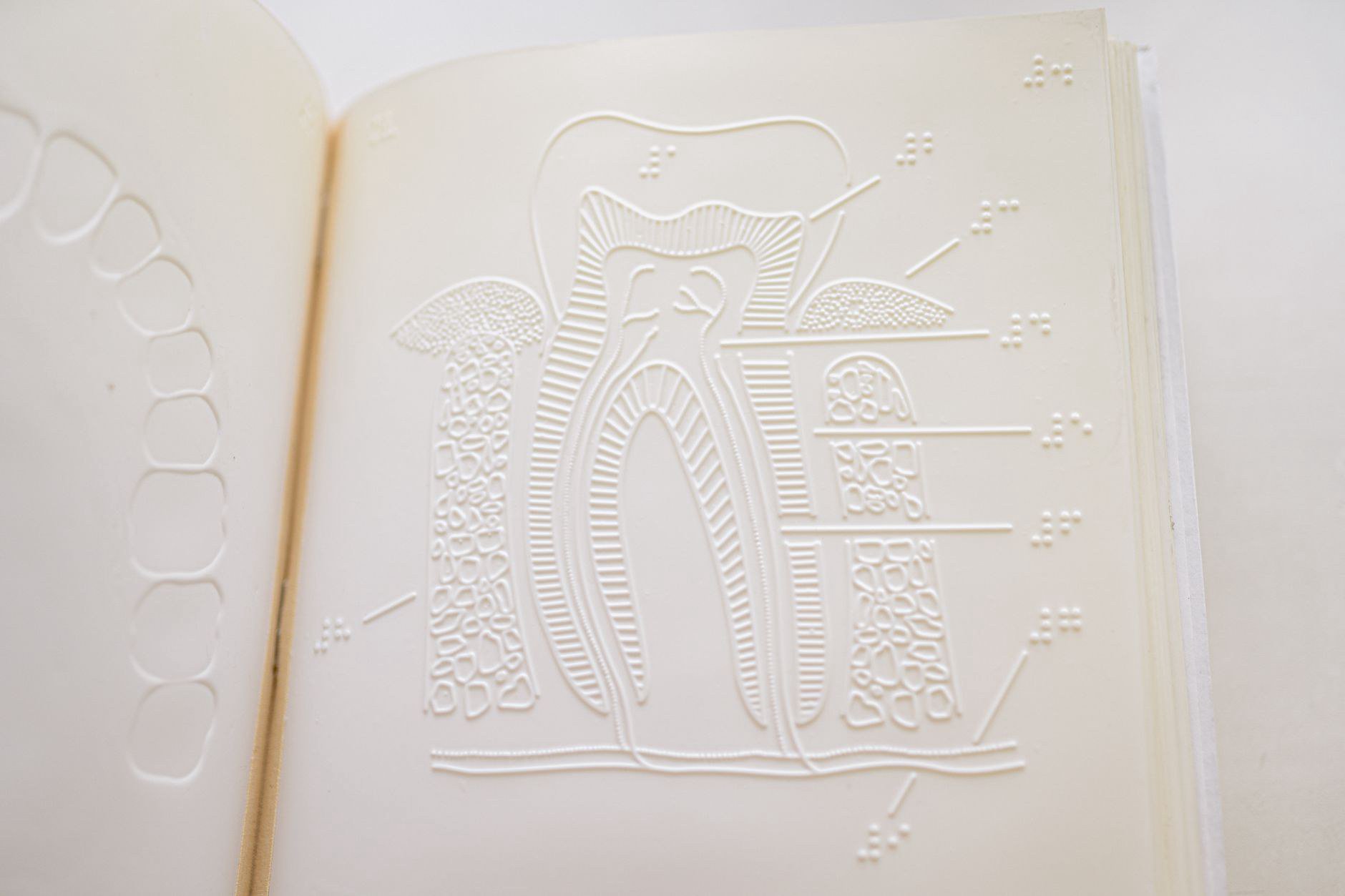
Embossing raises specified design areas above the surface plane, creating a tactile convex relief, while debossing presses shapes inward to form an elegant recessed impression. When executed without ink or foil, the process is known as blind embossing—celebrated for its understated architectural elegance.
The secret to sharp sculptural relief lies in die craftsmanship. Magnesium dies provide an affordable option for short promotional runs. In contrast, hand-tooled brass dies deliver multi-level, sculptured contours with curved radiuses that withstand tens of thousands of continuous mechanical impressions without losing edge definition.
Relief finishing shares historical lineage with traditional tactile print methods. Discovering the heritage of craft presswork in our overview of letterpress printing and handcrafted impressions reveals how modern sculptural embossing builds upon centuries of relief printing mastery.
Combination Dies: Registering Foil and Emboss in a Single Pass
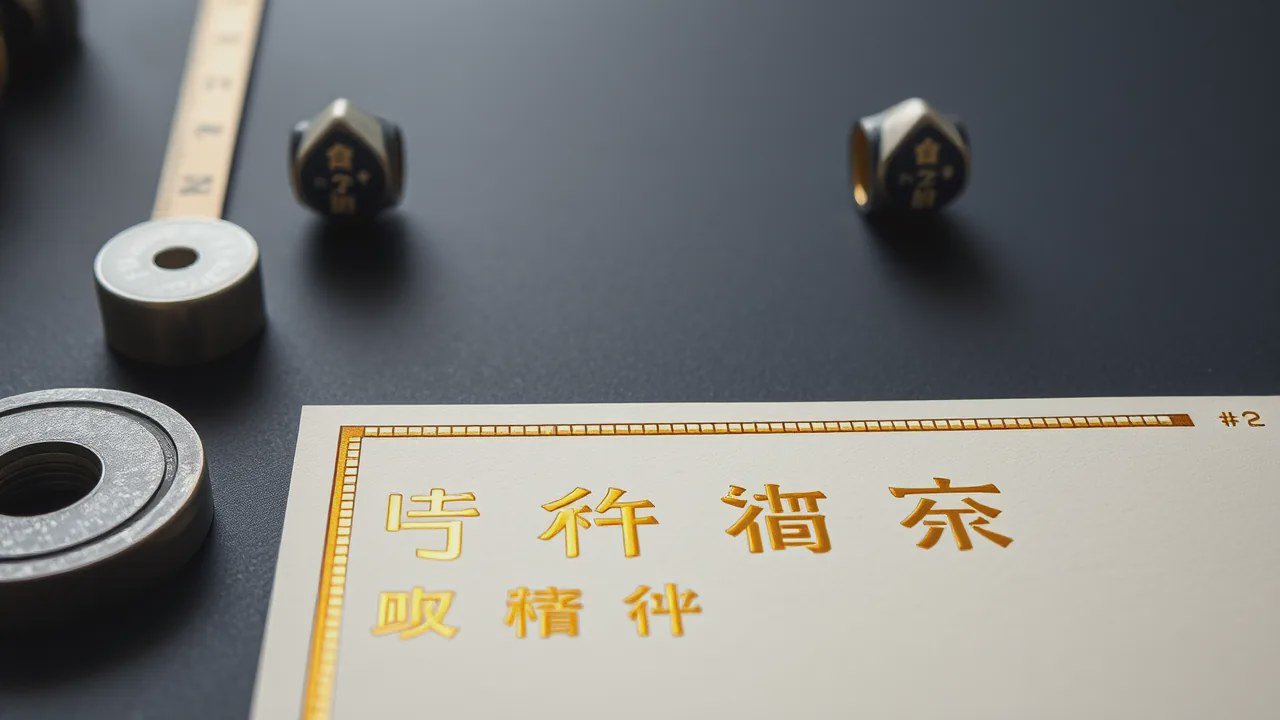
In high-end packaging and luxury publishing, combination stamping—also called fluted foil embossing—applies metallic foil and creates raised dimensional relief simultaneously in a single press stroke. This unified approach eliminates microscopic registration errors between separate foil and embossing runs.
Combination brass dies feature sharp bevel edges that cleanly shear the carrier film while raising delicate letterforms. Because heat and heavy pressure occur concurrently, paper fibers must possess sufficient tensile flexibility to prevent tearing along sharp perimeter borders.
Understanding how commercial offset printing stages coordinate with downstream finishing runs ensures predictable results. Our comprehensive breakdown of offset lithography and commercial press workflows explains how ink curing cycles and varnish coats influence foil adhesion.
Leading design studios and international creative agencies profiled at designinterviews.com frequently note that tactile finishes achieve maximum impact when used with editorial restraint rather than overwhelming the page with competing effects.
Selecting the Ideal Paper Substrate for Luxury Finishes

Paper is the physical foundation of every tactile finish. Specifying inappropriate paper stock causes foil flaking, fractured paper fibers, or disappointing shallow relief impressions.
- Uncoated Cotton Papers: Long cotton fibers bend easily under pressure without cracking, making them the premier choice for deep, dramatic blind embossing.
- Smooth Coated Stocks: Super-smooth surfaces provide mirror-like clarity for fine micro-foiling lines, though they require careful temperature tuning to avoid blistering.
- Through-Dyed Colored Boards: Rich black or forest-green paperboards eliminate white core edges on debossed bevels, providing pristine edge contrast.
- Fiber Direction Considerations: Ensure the paper grain runs parallel to book spines and score lines to avoid puckering when heavy dies compress the sheet.
File Preparation and Vector Artwork Standards
Preparing mechanical artwork for metallic stamping and embossing dies requires dedicated vector layers. Create separate spot-color plates set to 100% black with explicit stroke weights. Thin hairline strokes under 0.25 points often fail to hold foil cleanly, while tight inner counters on small type can trap heated foil, creating messy plugs. Consult closely with your pre-press engraver to calibrate minimum stroke tolerances based on your chosen paper texture.
Thermal Foil Adhesion on Specialty Coatings and Soft-Touch Laminates
Modern packaging and editorial covers frequently incorporate protective laminates or soft-touch tactile coatings. However, these surface barriers can complicate thermal foil adhesion if the surface tension and chemical formulation are not properly calibrated. Standard hot-stamping foils often fail to bond cleanly to high-slip coatings, resulting in flaking or uneven edge definitions.
To overcome surface tension barriers, specify foil formulations engineered with specialized adhesive backing resins that fuse directly with polymer laminates. Furthermore, conducting an automated Dyne level test on your coated press sheets verifies whether the surface energy allows proper wettability and permanent chemical bonding under commercial production speeds.
Conclusion: Crafting Enduring Sensory Experiences
Mastering embossing foiling print finishing empowers designers to create publications that command attention through touch as well as sight. When thoughtful typography, premium paper stock, and precise metal tooling converge, print becomes a timeless keepsake that readers treasure for decades.
Design with tactile purpose, test proof impressions rigorously, respect the physical properties of your paper, and let craftsmanship define your finished work.