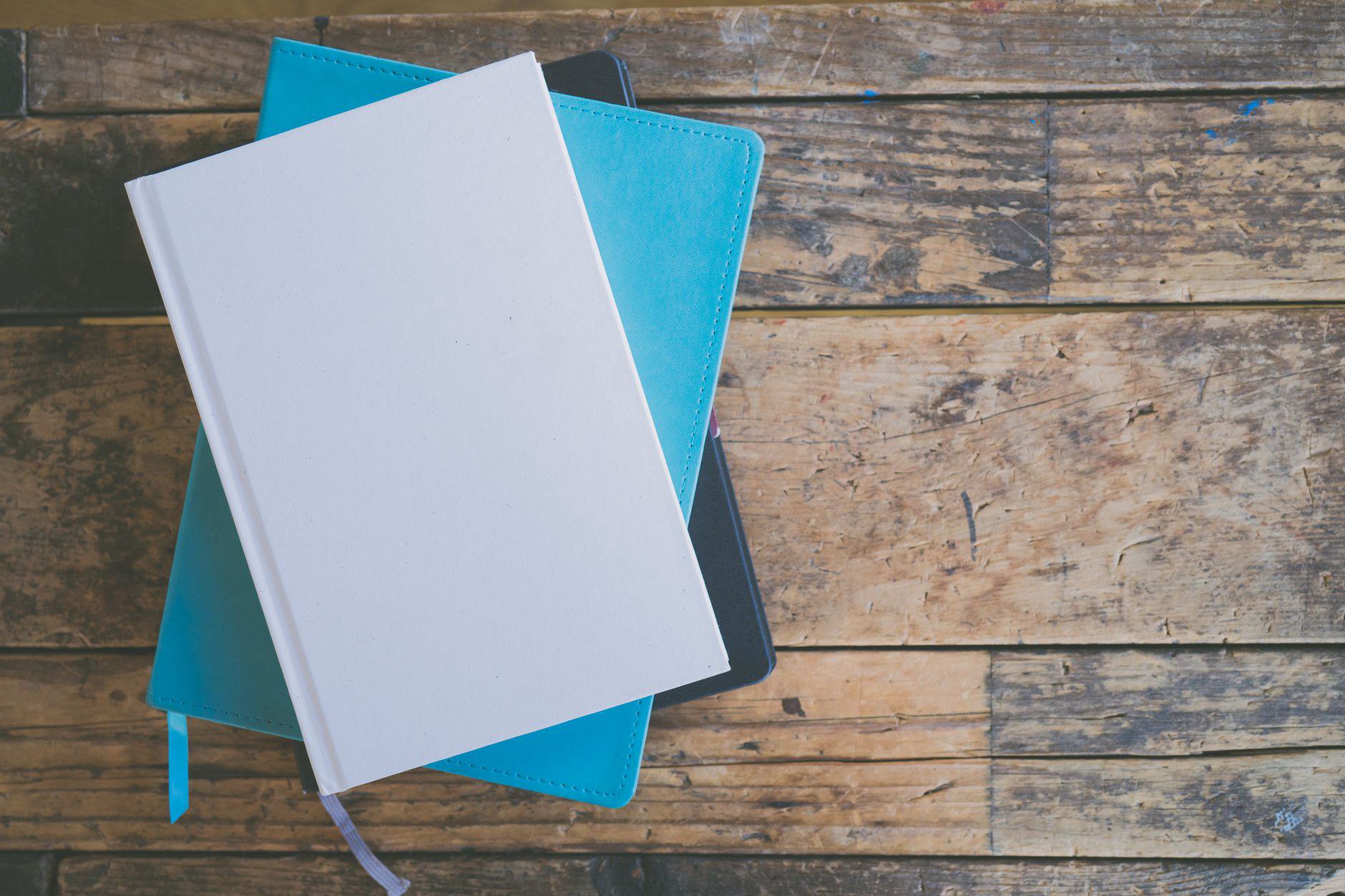
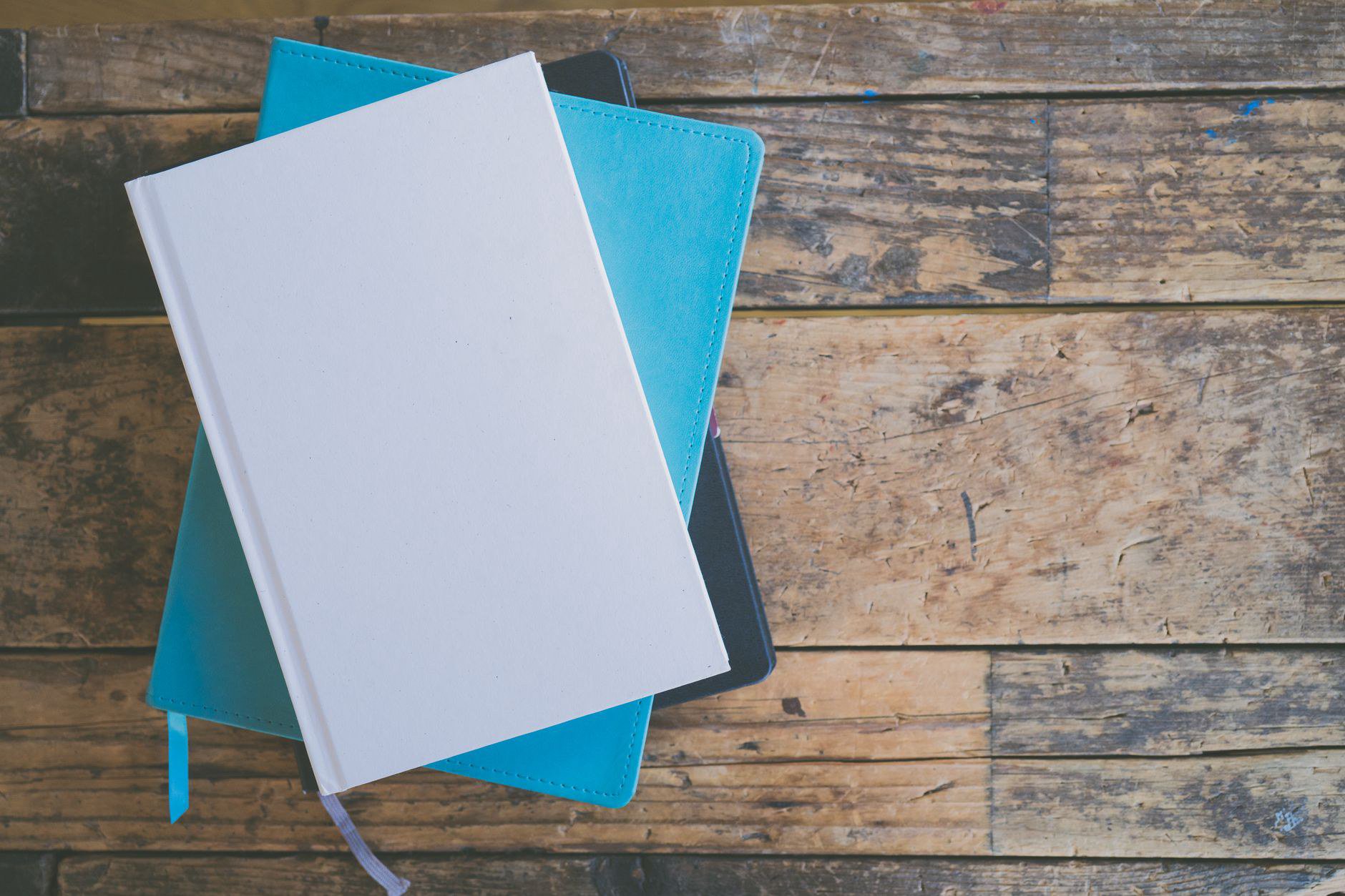
Mastering versatile bookbinding techniques transforms loose printed sheets into enduring, tactile works of art. In an increasingly digital world, the physical book represents an intimate, sensory experience that screens cannot replicate. Whether you are an independent author, an illustrator, or a design student, understanding binding fundamentals empowers you to control the entire production process from spine to edge.
Many aspiring makers feel intimidated by specialized bookbinding jargon and ornate historical tools. However, the core mechanical principles of binding are remarkably approachable once broken down into structured steps. With a simple bone folder, waxed linen thread, and an awl, you can create functional notebooks and distinctive art volumes right at your home studio desk.
Choosing the right binding method dictates how your publication opens, feels in the hands, and withstands repeated reading over decades. Crafting intentional physical books bridges the gap between digital typography and enduring craftsmanship.
Foundational Anatomy and Essential Tools of the Craft
Every book begins with signatures—groups of folded sheets nestled together to form page gatherings. Respecting paper grain direction is the absolute cardinal rule of book arts. Paper folded parallel to its grain flexes effortlessly and lies flat, whereas folding against the grain causes stubborn buckling along the spine.
Beginners should explore three bookbinding techniques for beginners to familiarize themselves with fundamental folding and piercing routines. A pointed bone folder produces crisp, burnished folds without marring delicate paper surfaces.
Quality needles and waxed linen thread provide reliable tension across signatures without tearing punch holes. When transitioning from written thoughts to physical forms, creators learn how to move from manuscript to first zine by assembling compact paper dummies before committing expensive materials to the press.
Must-Have Studio Hand Tools
Equipping your workspace does not require massive industrial book presses. Investing in a small set of high-grade hand tools delivers precise, heirloom-quality results:
- Genuine Bone Folder: Smooths folds, rubs down bookcloth adhesive, and burnishes delicate spine edges cleanly.
- Heavy Duty Bookbinding Awl: Punches uniform guide holes through thick signature folds without crushing fibers.
- Self-Healing Cutting Mat & Olfa Knife: Guarantees squared, razor-sharp board trims and clean signature headcuts.
- Acid-Free PVA Glue & Natural Bristle Brush: Flexible adhesive that will not yellow, crack, or warp archival pages over time.
Saddle Stitching and Pamphlet Binding for Agile Projects
The classic pamphlet stitch represents the most efficient entry point for short publications, exhibition programs, and poetry chapbooks. Consisting of a single signature sewn through three or five pierced stations along the fold, it provides clean elegance with zero glue required.
This minimalist approach is foundational for creators mastering independent publishing zine making workflows. Because it lies completely flat when opened, readers enjoy uninterrupted viewing of panoramic photography or two-page graphic illustrations.
For slightly thicker projects, heavy-duty wire saddle stitching offers industrial durability. However, hand-sewn linen thread imbues artisanal charm that immediately communicates luxury to discerning collectors.
Exposed Spine Coptic Binding for Lay-Flat Journals
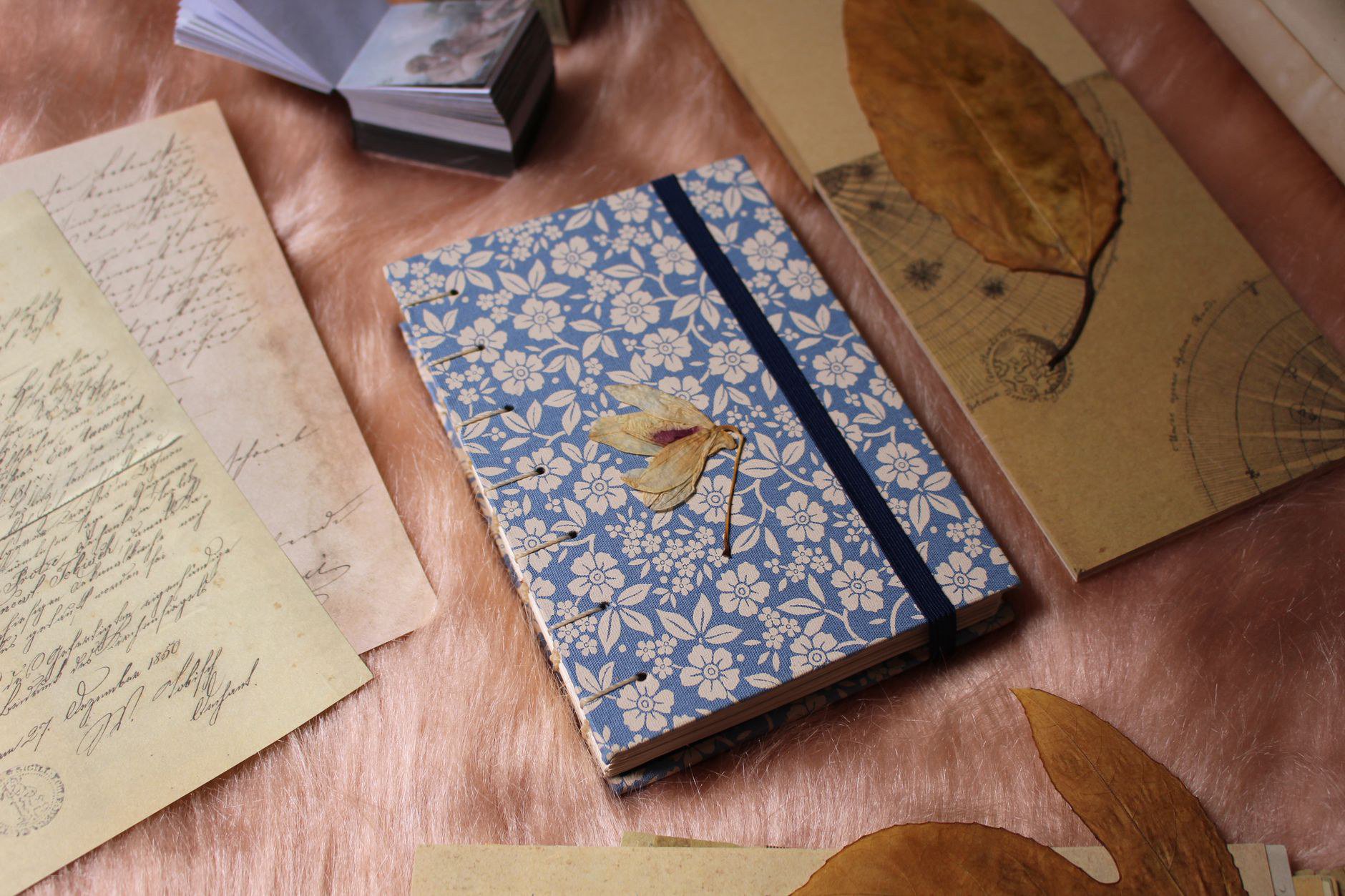
Originating in ancient Egypt, Coptic stitch binding remains one of the most celebrated structural bindings in contemporary book arts. Multiple signatures are chained together with visible, decorative chain stitches across an exposed spine, anchored directly into sturdy front and back cover boards.
The primary triumph of Coptic binding is its complete 360-degree flexibility. The volume opens completely flat without any resistance, making it the supreme choice for artist sketchbooks, watercolor journals, and musical scores.
Modern lifestyle creators often source reclaimed vintage book covers and materials from community initiatives like impactthrift.org to repurpose salvaged hardcovers into striking, sustainable handcrafted notebooks. Blending historical binding methods with upcycled textiles results in utterly unique sculptural objects.
Case Binding for Archival Hardcover Books
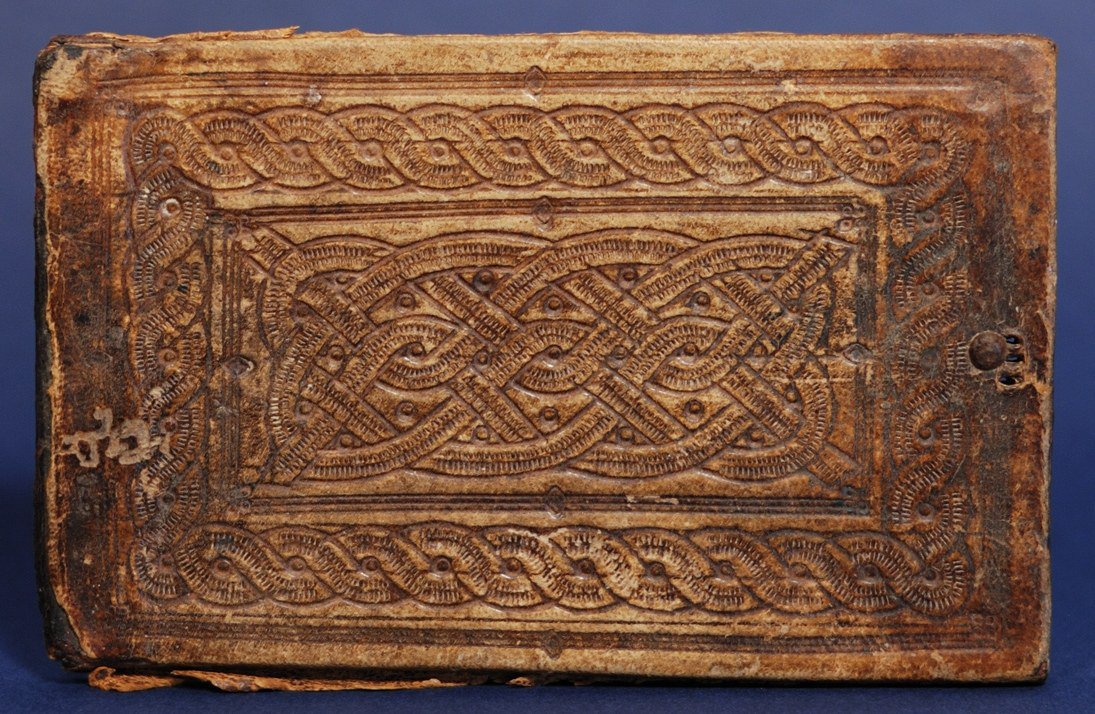
When maximum physical protection is paramount, case binding provides an impenetrable shell. Signatures are sewn together, reinforced with spine mull and headbands, and encased within rigid binder board wrapped in linen bookcloth or leather. This traditional format protects delicate inner paper against ambient humidity, dust, and handling damage across centuries.
Selecting Fine Archival Papers and Specialty Cover Materials
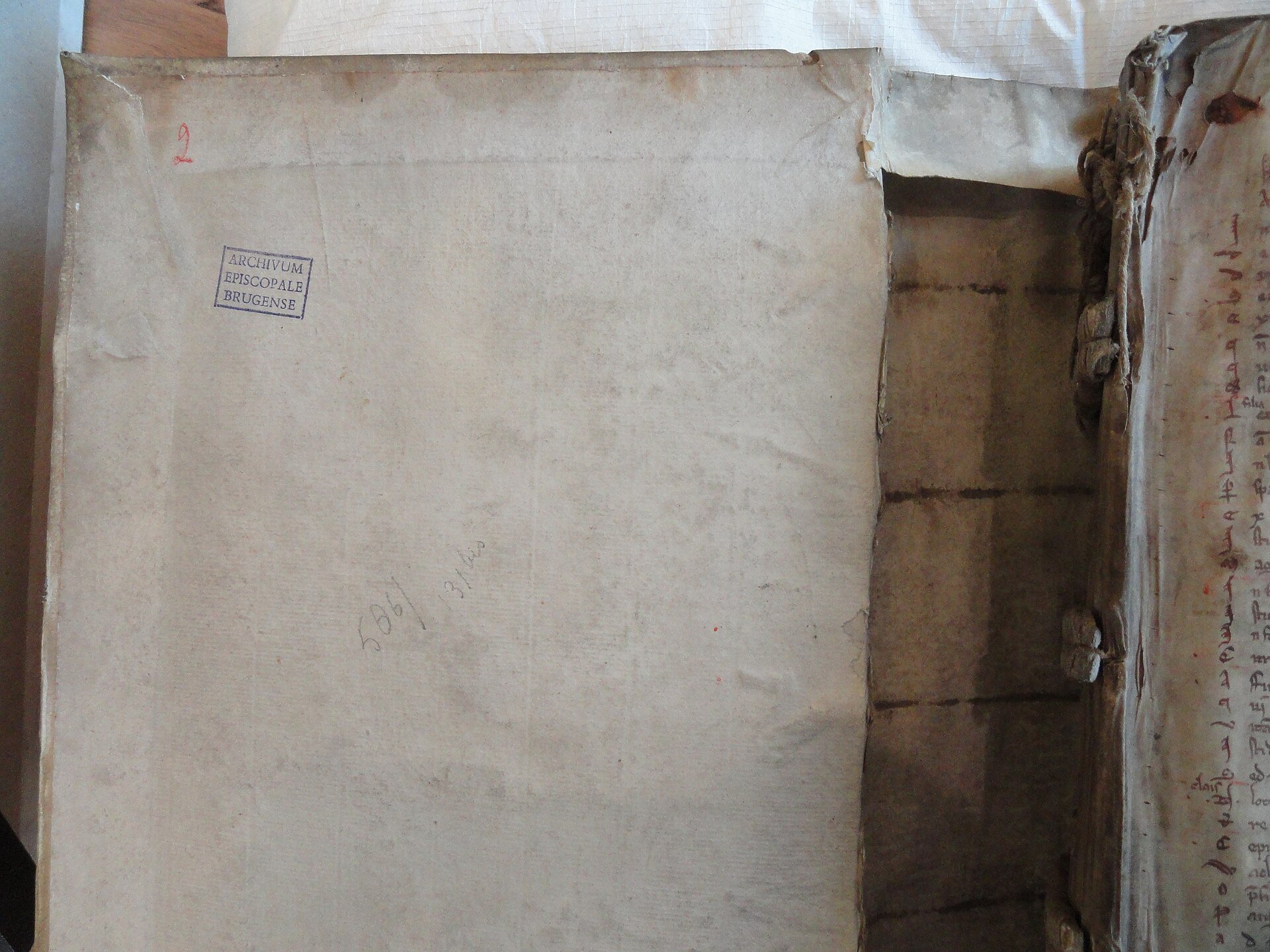
The choice of text weight paper dictates the tactile pleasure of turning pages. Uncoated cotton rag stocks, mould-made printmaking papers, and smooth Japanese washi offer distinct tactile feedback and varying levels of ink absorption. Testing fountain pen ink, watercolors, or letterpress relief prints on sample paper sheets guarantees that your chosen binding will not buckle or bleed during heavy creative use.
Cover materials also communicate the conceptual essence of your book before a single page is turned. Natural unbleached bookcloth, heavyweight handmade paste papers, and supple vegetable-tanned leathers age gracefully, developing an attractive patina over years of thoughtful handling.
Troubleshooting Common Hand-Binding Challenges
Even meticulous bookbinders encounter occasional structural frustrations. Warped cover boards occur when adhesive dries unevenly or when paper grain directions clash between the board and decorative endpapers. Always press freshly glued books between flat wooden boards under uniform weights for at least twelve hours.
Loose sewing tension causes spines to wobble and sag. Maintain firm, even thread pull perpendicular to signature folds rather than pulling outward, which tears punch stations. Consistent, patient hand pressure yields solid, brick-like book blocks that feel reassuringly dense.
Conclusion: The Enduring Value of Physical Book Arts
Learning foundational bookbinding techniques connects makers directly to an ancient continuum of human knowledge preservation. Handcrafted publications command reverence in a world dominated by fleeting digital feeds.
Embrace the tactile rhythm of folding, sewing, and pressing. Every handmade volume carries the unique signature of your hands, rewarding readers with a rich sensory journey that deepens their connection to your stories and designs.