

Side hustle culture has become one of the biggest lifestyle shifts of our generation. We’ve watched friends, readers, and even people on our own team turn weekend hobbies into second incomes. It rarely happens overnight. Most side hustles start small — a spreadsheet, a few late nights, maybe a page nobody notices for months. Then something shifts. Orders start coming in. Clients begin asking real questions. What felt like a fun distraction suddenly eats into real time, real money, and real decisions.
We wanted to write this piece because we keep hearing the same question from people in our community. How do you know when a side hustle becomes real? And what actually changes once it does? There’s no single answer. But there are patterns we’ve noticed again and again, both in our own experiments and in the stories readers send us. Let’s walk through what the side hustle lifestyle actually looks like once the honeymoon phase wears off.
Why the Side Hustle Lifestyle Is Everywhere Right Now

A decade ago, starting something on the side meant printing flyers or renting a small stall at a weekend market. Today it can start with a phone and a free afternoon. Remote work gave people back hours they used to lose commuting, and marketplaces and social platforms turned a hobby into a storefront overnight. That combination, spare time plus low-cost tools, is exactly why the side hustle lifestyle has exploded.
We also think there’s a trust factor at play. People are more comfortable buying from an individual creator than they were five years ago. A candle maker with a loyal following can outsell a generic shop, and a freelance designer with a strong portfolio can charge more than an agency. The story keeps showing up in unexpected places, too, with general-interest magazines chasing the same creator-economy angle. Readers of this site already know that trend well, because so many of you are living it.
From Hobby to Side Hustle: Where the Line Actually Sits

Not every hobby needs to become a business, and honestly, some shouldn’t. We’ve seen people burn out fast because they turned something relaxing into another job before they were ready. So the real question isn’t whether you can monetize a hobby. It’s whether you actually want to.
There’s a difference between selling a few extra pieces to cover your materials and running something that behaves like a business. The line usually isn’t about money at all. It’s about repetition, obligation, and risk. Once people are counting on you, for delivery dates, for quality, for refunds, you’ve crossed into side hustle territory whether you meant to or not.
Signs Your Project Has Outgrown “Just a Hobby”
A few signals tend to show up in almost every story we hear:
- You’re turning down requests because you genuinely don’t have the time.
- Materials, software, or supplies now cost more than pocket change.
- Customers ask for invoices, receipts, or repeat orders on a schedule.
- You’ve started tracking income separately, even in a rough spreadsheet.
- Someone has already asked, half-jokingly, “wait, is this your actual job now?”
If two or three of these sound familiar, you’re probably further along than you think. That’s not a bad thing. It just means the next set of decisions matters more than the last set did.
The Trade-offs Nobody Puts in the Caption

Social media makes side hustles look effortless. A pretty product shot, a satisfied customer message, a screenshot of sales, it all looks like a straight line up. It almost never is.
One of our team members spent almost two years running a small baking business out of her apartment on weekends. From the outside it looked charming. From the inside, it meant waking up at 5 a.m. on Saturdays, turning down brunch invitations, and negotiating with her own body about how much sleep she could skip. She loved the work, and she still talks about the sourdough starter she nursed for months. But she’ll also tell you, honestly, that her social life shrank for a while, and her patience with her day job got thinner before it got better. It’s the same tension we hear from craftspeople who move between two disciplines, not unlike the makers profiled in our piece on bookbinding techniques for modern makers, who juggle deadlines and delicate handwork in equal measure.
That’s the trade-off conversation we think deserves more honesty. A side hustle borrows time from somewhere. Usually it’s sleep, sometimes it’s relationships, occasionally it’s your main job’s performance. None of that means you shouldn’t do it. It just means going in with open eyes beats going in blind.
Finding Your People: Why Community Matters More Than Motivation
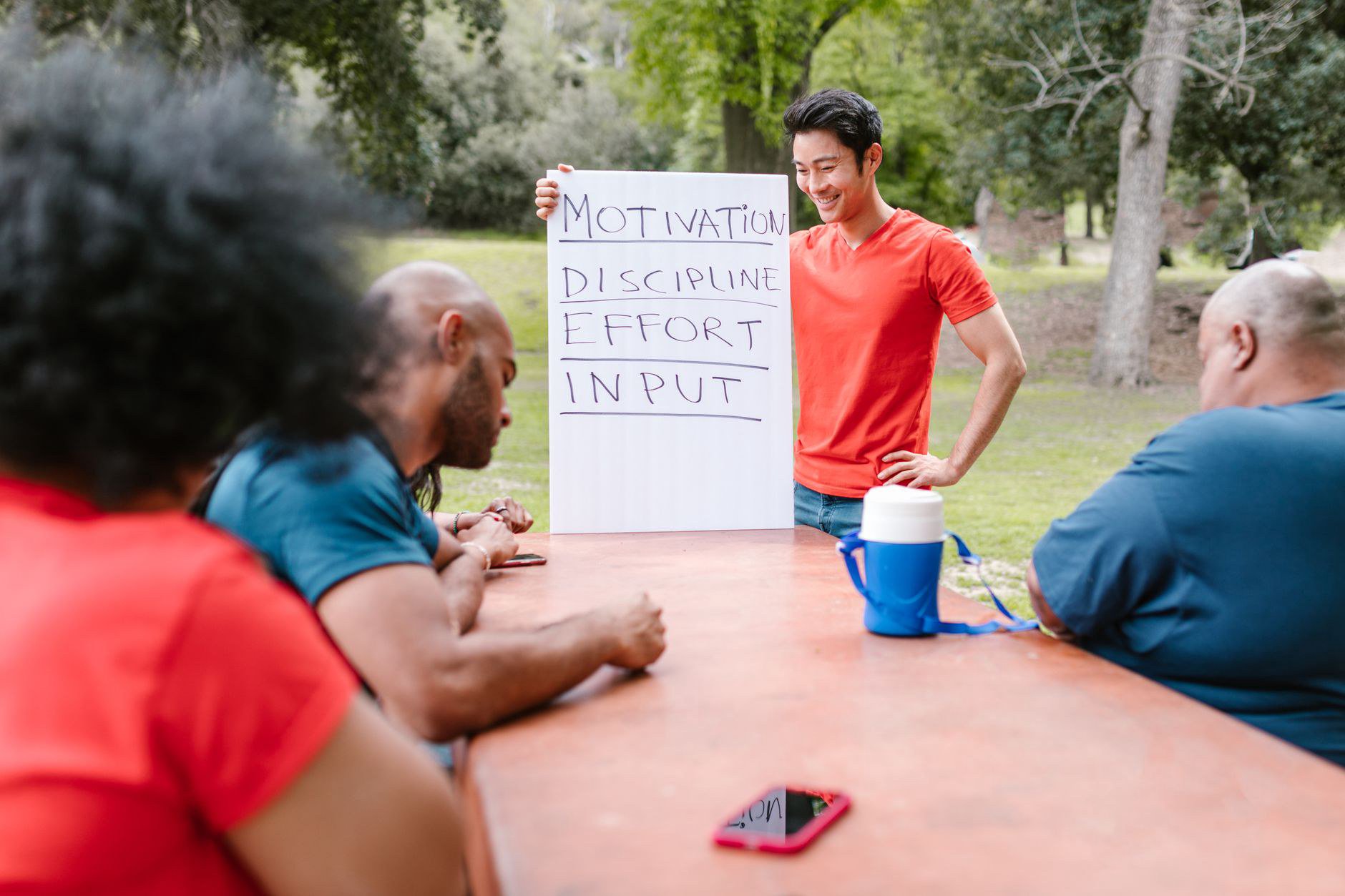
Motivation runs out. We’ve seen it happen to people with genuinely brilliant ideas. What tends to carry a side hustle through the slow, unglamorous months is community, not willpower.
That community can look like a private group chat with two other people doing something similar. It can be a local meetup, a subreddit, or a group full of people asking the same nervous questions you’re asking, not so different from the zine makers trading printing tips and distro contacts in our guide to independent publishing and zine making. We’ve leaned on ours more times than we’d like to admit, for pricing advice, for a second opinion on a logo, for someone to tell us a bad week wasn’t the end of the world.
If you’re building a side hustle in isolation right now, that’s probably the single easiest thing to fix. You don’t need a mentor or a formal network. You just need a few people who understand what a slow month actually costs you, emotionally as well as financially.
When It’s Time to Make Things Official
At some point, informal stops being sustainable. Maybe a client asks for a proper contract. Maybe your income crosses a tax threshold. Maybe you simply get tired of manual invoices and vague bookkeeping. This is the stage where a lot of side hustlers freeze, because legal and tax questions feel intimidating compared to the creative work that got them here.
We’ve been through this ourselves, and we’ve watched several readers go through it too. The honest advice is to stop guessing and talk to someone who actually knows local business and tax regulations. When our own small side project reached that stage, we sat down with a consultancy called TKTG to walk through business registration and tax setup properly, instead of trying to piece it together from forum posts at midnight.
That single conversation saved weeks of second-guessing. Getting the structure right early, even something as simple as separating business and personal finances, makes every later decision easier. It also protects you if the side hustle keeps growing, which, if you’ve read this far, yours probably will.
Small Habits That Keep a Side Hustle From Taking Over Your Life
Once the business side is sorted, the lifestyle side still needs attention. We’ve noticed the people who last longest aren’t the most talented ones. They’re the ones who build boundaries early and actually respect them.
A few habits show up consistently among the side hustlers we admire most:
- They batch admin tasks, invoices, replies, packaging, into one or two sessions a week instead of scattering them daily.
- They protect at least one full day off, even during busy seasons.
- They review their pricing every few months instead of letting it stay frozen out of guilt.
None of these habits are glamorous. They’re also the exact reason some people are still running their side hustle three years later while others quietly quit within the first six months.
Money Mindset: Treating Side Income Like Real Income
One mistake we see constantly is treating side hustle money like fun money. It arrives unpredictably, so it gets spent unpredictably, on a nicer dinner, a spontaneous trip, a gadget that wasn’t in the budget. We get the appeal. Extra money feels different from salary money, even when it isn’t.
A better approach, and one our team eventually adopted, is treating every side hustle dollar the same way a small business would. That means a separate account, a rough monthly review, and a habit of setting aside a percentage before spending anything. It’s not about being rigid. It’s about not being surprised later, especially once tax season or reinvestment decisions show up. We’ve seen the same discipline pay off for creators who sell direct to their audience, the kind of model laid out in our piece on selling books direct to readers without a marketplace, where irregular income only works with a steady system behind it.
We’ve also found it helps to decide, ahead of time, what growth actually looks like for you. Not every side hustle needs to become a full-time job. Some are meant to stay side hustles forever, funding a hobby, a holiday fund, or just some breathing room in the monthly budget. That’s a completely valid version of success too.
Living the Side Hustle Lifestyle on Your Own Terms
We don’t think there’s one right way to run a side hustle, and we’re a little suspicious of anyone who claims there is. What we do believe, after watching dozens of these stories unfold around us, is that the side hustle lifestyle rewards people who stay intentional. Know why you started. Notice when the trade-offs stop feeling worth it. Get the boring, official parts sorted early instead of scrambling later. The creative part will usually take care of itself.
If you’re sitting on a hobby that’s quietly turning into something bigger, that’s worth celebrating, not stressing over. Take it one honest decision at a time, protect the parts of your life that matter outside of it, and let the side hustle grow at a pace that still feels like yours.