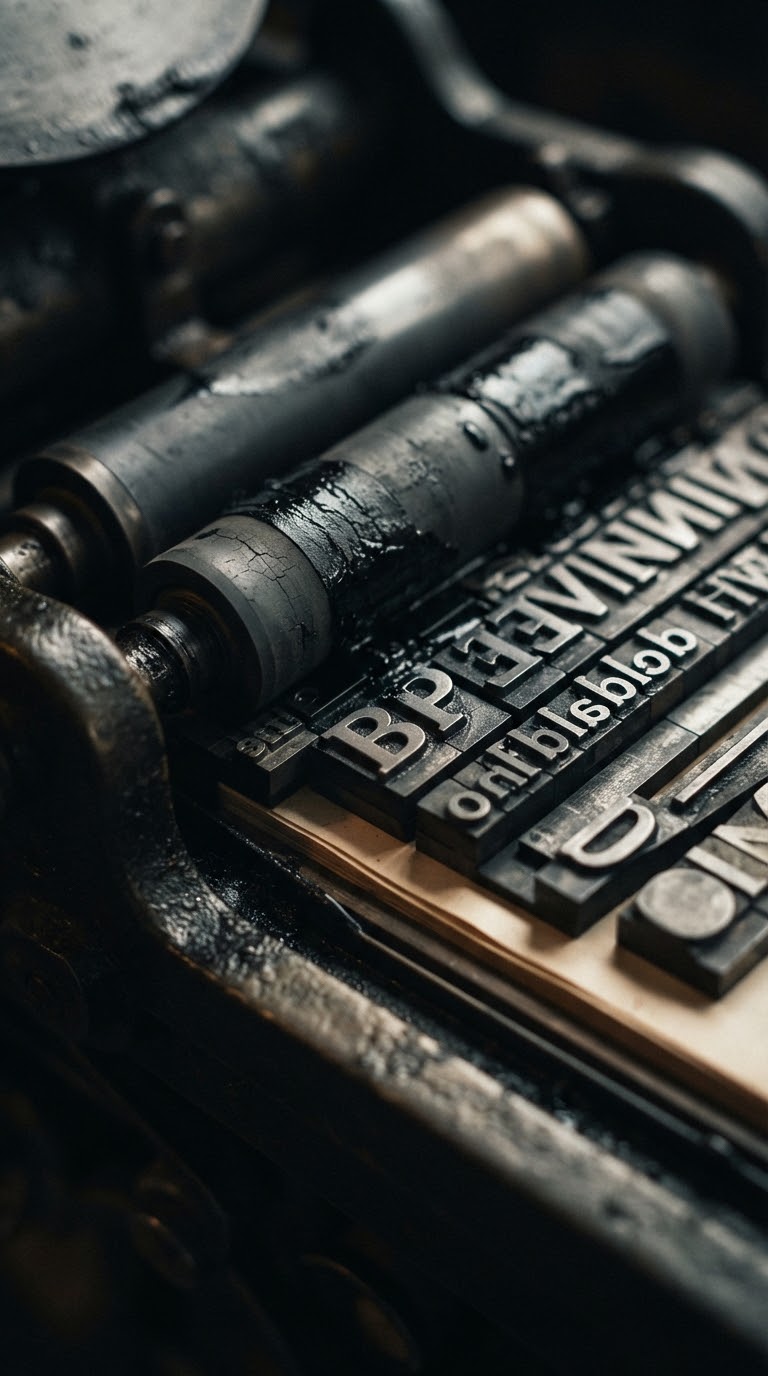
If you’ve ever held a magazine, a product package, or a corporate brochure, chances are it was produced with offset printing — the most widely used commercial print method in the world.
The Basic Principle
Offset is an indirect printing method: the image doesn’t transfer straight from the plate to the paper. Instead, it’s “offset” onto a rubber blanket cylinder first, then pressed onto the paper. This produces sharper output and extends plate life since the plate never touches the paper directly.
Step by Step
- CMYK separation: the artwork is split into four color layers — Cyan, Magenta, Yellow, and Key (black).
- Plate-making: each color layer gets its own plate, exposed via laser or UV.
- Mounting: the four plates are loaded onto four corresponding print units.
- Layered printing: paper passes through each unit in sequence, building up the full-color image layer by layer.
- Finishing: trimming, laminating, folding, and binding follow depending on the final product.
Why Offset Still Wins at Volume
Plate-making has a fixed upfront cost, which makes offset less economical for short runs. But once volume climbs into the thousands, the per-unit cost drops sharply — which is why offset remains the go-to for books, magazines, and mass-produced packaging.
File Prep Notes
Always build in bleed (typically 3mm) to avoid white edges after trimming, and convert your files to CMYK rather than RGB — screens and offset presses render color through fundamentally different mechanisms.